
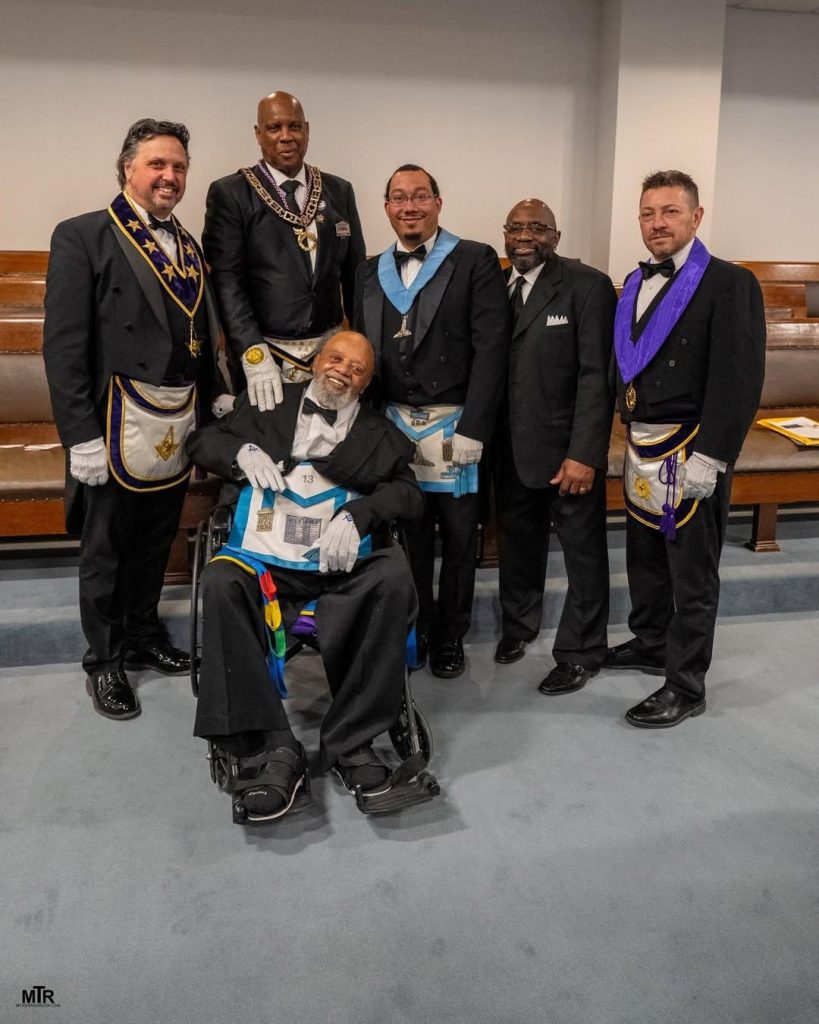
At United Mansonic Lodge, we believe the most sustainable community impact happens through trusted partnerships. When a lodge and a respected organization combine resources, volunteers, and local knowledge, the result is stronger programs and wider reach. This “partner-to-amplify” approach is common in Masonic charity models, where partnerships are used to deliver support where needs are greatest.
Community challenges are rarely solved by one group alone. Partnerships allow us to:
Expand reach (more people served, more neighborhoods covered)
Increase efficiency (shared logistics, better targeting, fewer duplicated efforts)
Deliver specialized support (partners often have expertise in education, youth programs, health, or relief work)
Build long-term community capacity (not just one-time assistance)
We partner with organizations that share our commitment to:
Integrity & accountability – transparent goals, responsible stewardship
Community-first impact – programs that solve real needs, not publicity stunts
Dignity & respect – help delivered responsibly and without exploitation
Measurable outcomes – clear outputs (e.g., students supported, kits delivered, hours served)
Safety & safeguarding – especially when programs involve youth or vulnerable groups
Supporting learning is a major focus in many Masonic charity systems, often delivered through structured partnerships with schools and scholarship initiatives.
Examples: school supply drives, tutoring support, career talks, scholarship support, library resources.
Masonic partnership models sometimes include youth sports/equipment programs delivered with major community partners—showing how collaboration can serve underserved youth at scale.
Examples: sports equipment support, youth clubs, mentorship initiatives.
Partnerships help deliver timely support during hardship by connecting volunteers, donors, and experienced service organizations.
Examples: food drives, clothing distribution, emergency kits, referral support.
Some jurisdictions run civic-facing partnership work (e.g., public cornerstone ceremonies tied to civic buildings), reinforcing community identity and tradition.
Examples: civic heritage events, community celebration support, nonpartisan civic activities.
Masonic organizations have also partnered with academic institutions to support public-facing education programs and conferences on Freemasonry and civil society.
Examples: public lectures, history education, community learning events (non-sensitive, public content).
Proposal – You share your need, objectives, timeline, and resources.
Fit check – We confirm alignment with values, community need, and feasibility.
Plan – We define roles, deliverables, budget (if any), and communications rules.
Delivery – Volunteers mobilize, resources are distributed, events are run.
Impact report – We document outcomes and lessons learned for improvement.
(If needed, we use a simple MOU/partnership letter to clarify roles and expectations.)
Use these as “cards” and replace with your real programs:
Partner: [School / NGO]
Goal: Provide [#] school kits to students in [community].
How we help: fundraising, volunteers, purchasing, distribution support.
Partner: [Food bank / NGO]
Goal: Support families with monthly essentials.
How we help: collection points, delivery volunteers, donation matching.
Partner: [Youth group / school]
Goal: deliver monthly sessions on values, leadership, and life skills.
How we help: speakers, mentors, logistics support.
Partner: [Clinic / NGO]
Goal: support community health awareness or basic needs.
How we help: awareness events, volunteer staffing, targeted fundraising.

WhatsApp us