

Description
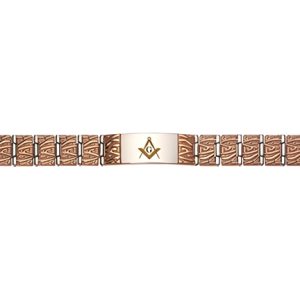
Shriner Jewel masonic emblems Freemasons
The Radiant Legacy of the Craft: A Comprehensive Guide to Shriner Jewels and Masonic Emblems
The journey of a Freemason is an odyssey of the soul, a continuous search for light that begins at the altar of a symbolic Lodge and extends into the expansive, benevolent world of the Shriners. At every step of this path, the emblems we wear serve as silent sentinels of our vows and visible reflections of our internal transformation. The Shriner Jewel, in particular, is a masterpiece of symbolic synthesis, blending the ancient wisdom of the Square and Compasses with the exotic, spirited iconography of the Scimitar and Crescent. To wear these emblems is to carry a legacy of brotherhood, a commitment to charity, and a profound sentiment of belonging to a tradition that spans centuries and continents.
The Sacred Language of Masonic Emblems
The visual vocabulary of Freemasonry is rooted in the tools of the operative stonemason, repurposed to build a “spiritual temple” within the heart of every brother. The Square, the Compasses, and the Level are not merely shapes; they are moral compasses that guide a man’s conduct toward his neighbors and himself. When these symbols are cast in precious metals and worn as emblems, they become a source of quiet strength. The sentiment behind a well-worn Masonic lapel pin or a polished ring is one of steadfast integrity. It tells the world that the wearer is a man who values truth over convenience and brotherly love over personal gain. This symbolic language creates an instant, unspoken bond between strangers, transforming a chance encounter into a reunion of brothers.
The Transition to the Mystic Shrine
As a Mason progresses through the York Rite or the Scottish Rite, he may eventually find himself at the threshold of the Shriners. This transition represents a beautiful evolution of the fraternal spirit—from the studious labor of the Lodge to the exuberant service of the Shrine. The iconography shifts from the architectural to the celestial and the historical. The Shriner emblem, featuring the Scimitar, the Crescent, and the Sphinx, evokes a sense of mystery and grand adventure. It represents the “playground of Masonry,” where the serious lessons of the Craft are put into joyful practice through world-class philanthropy and community celebration.
The Anatomy of the Shriner Jewel
The Shriner Jewel is perhaps the most distinctive piece of regalia in the fraternal world. Every element of its design is saturated with meaning. The Scimitar represents the backbone of the fraternity—the strength and protection offered to the weak and the innocent. The Crescent, often fashioned from the claws of a tiger in vintage designs but now more commonly rendered in elegant gold or silver, symbolizes the growing influence of the order and the light that shines in the darkness. The Star hanging below the Crescent represents the “Star of Bethlehem,” a nod to the universal values of hope and divine guidance. The sentiment attached to this jewel is one of immense pride, particularly because it is earned through years of dedication to the underlying principles of the Blue Lodge.
Craftsmanship in Fraternal Regalia
A professional-grade Shriner Jewel or Masonic emblem must be a triumph of the jeweler’s art. Because these pieces are often passed down through generations, the quality of craftsmanship is a moral reflection of the fraternity’s endurance. Utilizing techniques such as lost-wax casting, hand-engraving, and hard-fired vitreous enameling, master artisans create pieces that catch the light and command respect. The use of 10k or 14k gold ensures that the emblem will not tarnish, mirroring the “immortal part” of the Mason that survives the passing of time. When a Noble pins a jewel to his Fez, he feels the weight of history—a tangible connection to the thousands of brothers who wore similar emblems while building hospitals and supporting children in need.
The Emotional Resonance of the Fez
No discussion of Shriner emblems is complete without the Fez. This iconic red headgear, adorned with a black tassel and an intricately embroidered emblem, is a universal symbol of the Shriner’s identity. The sentiment surrounding the Fez is one of joyful service. It is a crown of charity that signifies the wearer’s commitment to the Shriners Hospitals for Children. The embroidery on the Fez, often executed in brilliant gold bullion thread and accented with sparkling rhinestones, is a testament to the vibrancy of the order. It is an emblem that invites curiosity and conversation, allowing the Noble to share the story of his fraternity’s mission with a world that looks on with admiration.
The All-Seeing Eye and the Search for Light
Central to many Masonic emblems is the All-Seeing Eye, a reminder of the omnipresence of the Great Architect. In the context of the Shrine, this symbol takes on a more expansive meaning, representing the watchful care the fraternity provides to “the world’s greatest philanthropy.” The sentiment here is one of humility. It reminds the brother that while he may wear a glittering jewel, his true worth is measured by the unseen acts of kindness he performs. The eye encourages a vision that looks past the superficial differences of men to see the underlying brotherhood of all humanity.
Heirloom Jewels and the Chain of Union
Many of the most cherished Shriner Jewels are those that carry the stories of the past. An “Old Line” jewel, perhaps once worn by a grandfather or a mentor, carries an emotional resonance that no new purchase can replicate. These heirlooms are the physical links in the “Chain of Union” that binds the fraternity across generations. The sentiment of receiving a family member’s Masonic ring or Shrine pin is one of sacred continuity. It is a “passing of the torch,” a charge to the younger generation to maintain the high standards of the Craft and to keep the fires of charity burning brightly.
The Modern Mason’s Aesthetic
In the contemporary world, the way Masons and Shriners display their emblems has evolved. While the traditional heavy jewels remain essential for formal meetings and parades, many brothers opt for “everyday” emblems that fit a modern professional wardrobe. Subtle tie tacks, minimalist cufflinks, and sleek money clips allow a brother to carry his identity into the boardroom or the clinic. This “modern Masonic aesthetic” prioritizes clean lines and high-quality materials, ensuring that the symbols are integrated seamlessly into a life of active, public service. The sentiment remains the same: a quiet, constant reminder of the level, the plumb, and the square.
Philanthropy as the Ultimate Emblem
While the gold and silver jewels are beautiful, every Shriner knows that the “true emblem” of the order is the smile of a child who has been helped by their charity. The jewels we wear on our chests are merely reflections of the work we do with our hands. The deep sentiment of satisfaction that comes from supporting the Shriners Hospitals for Children is the highest honor a Noble can achieve. In this sense, the emblem becomes a badge of service, a sign that the wearer is part of a global force for good that transcends politics, religion, and borders.



Reviews
There are no reviews yet.